7 steps a solo player needs to thrive in Rust
Video: A Solo's Will to Thrive V5 - Rust
You can order the same kind of articles for your own video to boost it on YouTube and Google. Just message the Telegram bot @sat_sit_bot. Articles with your video embedded are written and posted by the bot itself — on popular topical sites (no ads). Your first 50 articles are free.
· based on the channel Oilrats
Rust solo survival is not about out-farming clans; it is about shortening every exposure window — a fast 2x1 start, a fixed loot route, a boat plan for Large Oil Rig and a base built to be defended by one player. The solo run Oilrats published on his channel shows exactly that pattern: a wipe-day start in a small base, a monument loop, a rig push and a raid defense against a six-player group. If you want the same loadout for your desk, the channel's own drop is here: Oilrats mousepad drop on EpicDesk.
Why Rust solo survival starts with a 2x1 and not a dream base
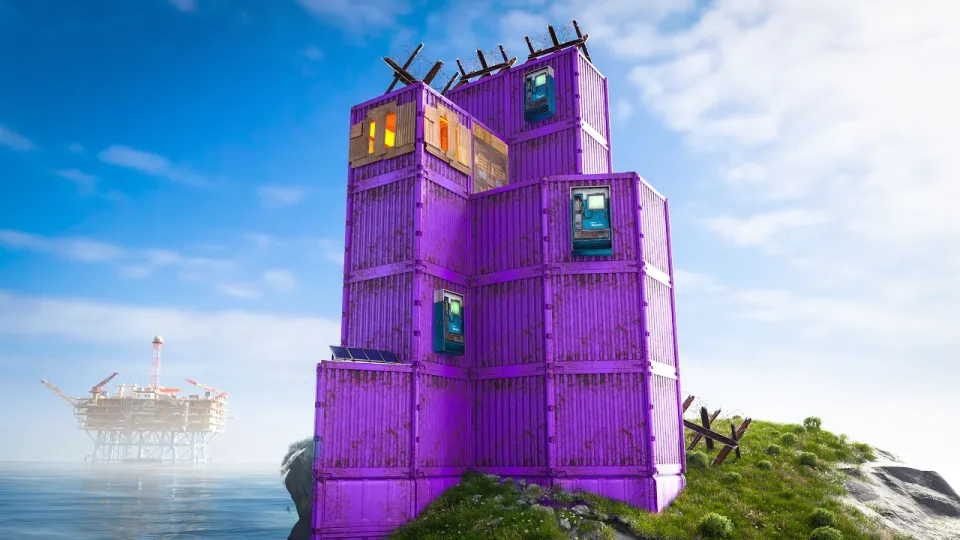
A solo player who builds big on wipe day is a solo player who loses everything on wipe day; the 2x1 is the correct first structure because it costs almost nothing and hides the fact that you are alone. In the Oilrats solo format the run reliably opens with that compact starter — viewers have pointed out that the base choice never really changes, and that consistency is the point. A 2x1 with a small bunker gives you three things a clan does not need to think about: cheap replacement cost, a place to store a first kit, and a core you can expand later without moving loot across the map.
Practical order for the first hour:
- Gather wood and stone for a 2x1 footprint plus a tool cupboard, nothing more.
- Place the TC inside the core, not in a side room, and keep the door count low.
- Craft a furnace and a workbench before any weapon beyond a bow.
- Only after the base is sealed, run your first monument for scrap.
A small base also changes how raiders read you. A group that finds a 2x1 expects a quick profit; a group that finds a 2x1 with a bunker and a defended core expects a fight, and most casual raid squads are not prepared for the second one.
The loot route that keeps a solo Rust player alive
Solo progression in Rust is a routing problem: every minute spent wandering is a minute a group can hear you; pick two or three monuments close to your base and rotate them on a fixed loop. Oilrats' solo content leans heavily on monument farming and oil rig pushes rather than roaming open fields, and the logic holds for any player — scrap first, components second, PvP only when it interrupts the route. Keep the loop short enough that a full inventory means you are already near home.
A workable solo loop looks like this:
- One low-tier monument for scrap and basic components.
- One mid-tier monument for pipes, gears and tech trash once you have a workbench.
- A recycle run at the end of the loop, not in the middle, so you never carry a full load of junk into a fight.
- A stash or a second small base near the route if the map is large.
Large Oil Rig as a solo objective
Large Oil Rig is the best solo loot in Rust and the fastest way to lose a full kit; treat it as a planned operation, not a spontaneous trip. The rig holds elite crates, military crates and heavy scientist loot, and it is reachable by boat, which means the solo player's real risk is not the NPCs but the return trip — anyone watching the water knows a rig runner is coming back loaded. In the Oilrats run the rig segment is built around movement: jump, swim, boat, extract, and the edit leans into that transition because it is the part that decides whether the loot survives.
Solo rig checklist:
- Scout the water around the rig before docking; a boat parked next to the ladder is a signal to every nearby group.
- Clear scientists in a fixed order and keep one exit path open at all times.
- Take the crates that fit your progression — weapons and explosives first, junk last.
- Leave on a different side than you arrived, and do not drive straight back to base.
Defending a solo base against a six-player raid
A raid on a solo base is not lost when the wall breaks; it is lost when the defender stops repositioning, and small bases are actually strong for a single player because every angle is short. In the Oilrats video the raid party brings six players, two M2s and a dedicated rocket PvPer against one defender, and the defense still holds — the audience reaction was blunt about how that looks from the raiders' side. The lesson is structural: a bunker buys time, a second shooting position buys kills, and a rocket player standing in the open is the easiest target on the field.
What actually wins these fights:
- Pre-built shooting floors and peek holes, so you never break your own walls mid-fight.
- A respawn bag outside the raid path, not inside the base.
- Audio discipline: footsteps and rocket reloads tell you which wall is next.
- Patience — raiders burn explosives on the cheapest walls first, and every minute they spend is a minute their loot is exposed.
Editing, sound and why these solo movies land
A Rust solo run is only as watchable as its cut, and the Oilrats videos are edited by purpluu with a level of detail viewers single out — a jump off the rig that lands directly in a swim to the boat, audio that muffles underwater and returns on the surface. That polish is not decoration; it compresses hours of farming into readable decisions, which is why the channel can publish full solo movies at a fast pace. For a player learning solo survival, the value is in watching the order of operations: base, route, rig, defense.
Common questions about solo Rust runs
Solo players ask the same things after every wipe: how to start, when to fight, and whether a small base can survive a group. The short answers are consistent across the format — start small, fight only when the route forces it, and build the base around defense rather than storage. The raid segment in the Oilrats run answers the third question directly: a coordinated six-player push with heavy weapons can still fail against one defender who knows the layout.
Useful links
- Oilrats mousepad drop on EpicDesk
- https://www.twitch.tv/oilrats
- https://www.tiktok.com/@oilrats
- https://discord.gg/hrvWH8r9bS
- https://twitter.com/OilratsRust
Final thoughts on thriving as a Rust solo
The solo game in Rust rewards discipline far more than raw hours: a 2x1 with a bunker, a fixed loot loop, a planned rig trip and a base built for one defender will outperform a bigger, slower setup almost every wipe. The Oilrats solo series is a useful reference because it shows that sequence in full, from the first tool cupboard to a raid defense against six players with double M2s, and the channel keeps publishing those runs at a pace few creators match. If you want to support the work, the mousepad drop is live at epicdesk.shop — and the next solo movie is already on the way.
Key takeaways
- Oilrats opens every solo wipe the same way: a compact 2x1 starter base before anything else.
- Solo survival in Rust depends on route discipline, not hours: scrap, components and monuments in a fixed loop.
- Large Oil Rig is the highest-value solo objective, but it demands a boat plan and an exit route.
- Raid defense against a six-player group with double M2s is winnable from a small base with a bunker and tight angles.
- Editing and pacing matter: the Oilrats solo movies are cut by purpluu, with sound design details like muffled audio underwater.
Source: A Solo's Will to Thrive V5 - Rust · Markdown version
Questions & answers
How does a solo player survive the first day of a Rust wipe?
Build a 2x1 with a tool cupboard and a bunker before anything else, seal it, and only then run a monument for scrap. A cheap base you can replace in ten minutes beats a large base you cannot finish before night.
Is Large Oil Rig worth doing alone in Rust?
Yes, it holds the best crate loot available to a solo, but the return trip is the real risk. Scout the water, clear scientists in a fixed order, take weapons and explosives first, and leave on a different side than you arrived.
Can a solo base survive a raid by a large group?
It can, if the base is built for defense rather than storage. A bunker, pre-built peek holes, a respawn bag outside the raid path and constant repositioning let one defender punish a group that has to stand still to fire rockets.
Why do the Oilrats solo videos come out so often?
The runs are long sessions compressed into tight edits by purpluu, with deliberate sound design such as muffled audio underwater. That compression turns hours of farming into a readable sequence of decisions, which is what makes the format repeatable.